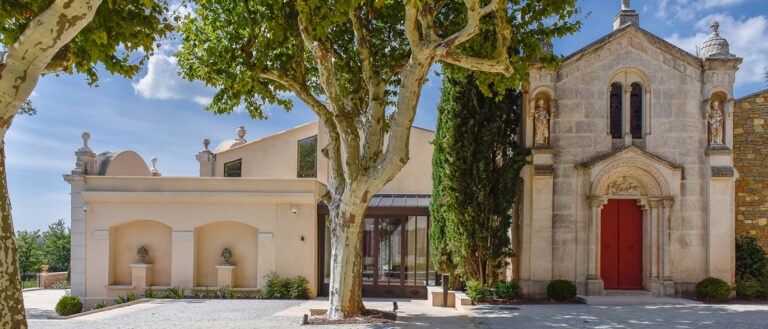
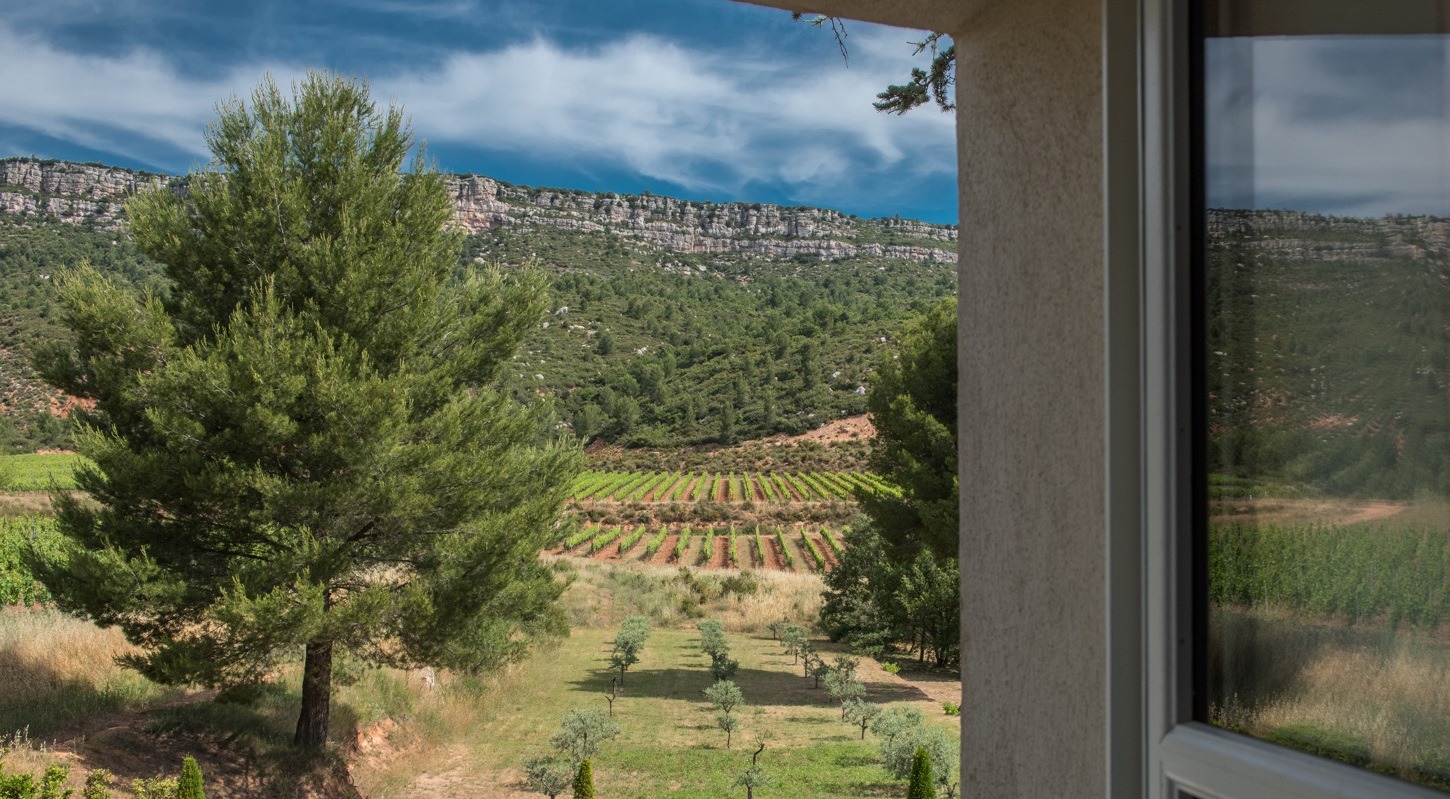
Provence, a particularly romantic destination, attracts lovers of nature and rustic landscapes and offers an idyllic setting for a wedding. A land of traditions, filled with the sound of cicadas, vineyards, and olive groves, this region invites you to plan a wedding in harmony with the customs and heritage of the local terroir. Here is a brief overview of these traditions for a truly Provençal celebration.
Before the Ceremony
It is customary to place salt in the groom’s suit pockets and in the bride’s shoes to ward off evil spirits. In Provençal tradition, the bride’s father must also offer her a gold coin and a glass of water before leaving for the church, symbols of her emancipation from paternal authority.
During the Religious Ceremony
When kneeling, if the groom managed to step on the train or hem of his wife’s dress, it was believed to guarantee him authority within the couple. However, the bride could respond by bending her finger during the exchange of rings, signaling that she too would share authority in the marriage. It was also traditional to present the bride with a bouquet of white flowers to enhance the couple’s fertility.
At the End of the Ceremony
Traditionally, lavender was thrown over the newlyweds as they passed beneath a floral arch. Once united, the groom would hand the keys to their home to the bride, who would wear them attached to her belt. The bride would then offer a sheaf of wheat to her in-laws and her husband, symbolizing her wish to bring prosperity to her new family. To represent “a love that overcomes all obstacles,” the newlyweds were required to jump over a flower-decorated stick held 20 centimeters above the ground.
During the Meal
The bride and groom were expected to eat from the same plate. Three small loaves of bread were then given to the bride: one to take to her family, one for her friends, and one to keep for herself as a symbol of sharing. Keeping these loaves was believed to protect the couple from discord. After the meal, the bride’s garter was removed, placed in her shoe, and then auctioned off.
Other Traditions
The wedding dress : In Provençal tradition, brides did not wear white but rather colored dresses, most commonly green. Very devout, Provençals saw this color as a symbol of spiritual regeneration and wisdom.
Finally : In Provence, it is customary never to marry in May, July, September, or November, nor during the periods of Lent and Advent. Outside these times, weddings were also avoided on Mondays and Fridays, as well as on dates containing the number 9, which was traditionally associated with mourning.